Guides & basics
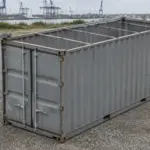
A Hard Top container is a shipping container with a removable steel roof instead of a tarpaulin. With the roof removed, it can be loaded from above by crane; afterwards it is securely closed again.
How is a Hard Top container built?
On a standard container, the steel roof is permanently fitted, while on the Hard Top it can be removed; the external dimensions are the same. It is available in 20 or 40 ft lengths; the 40 ft version also comes as the taller High Cube.
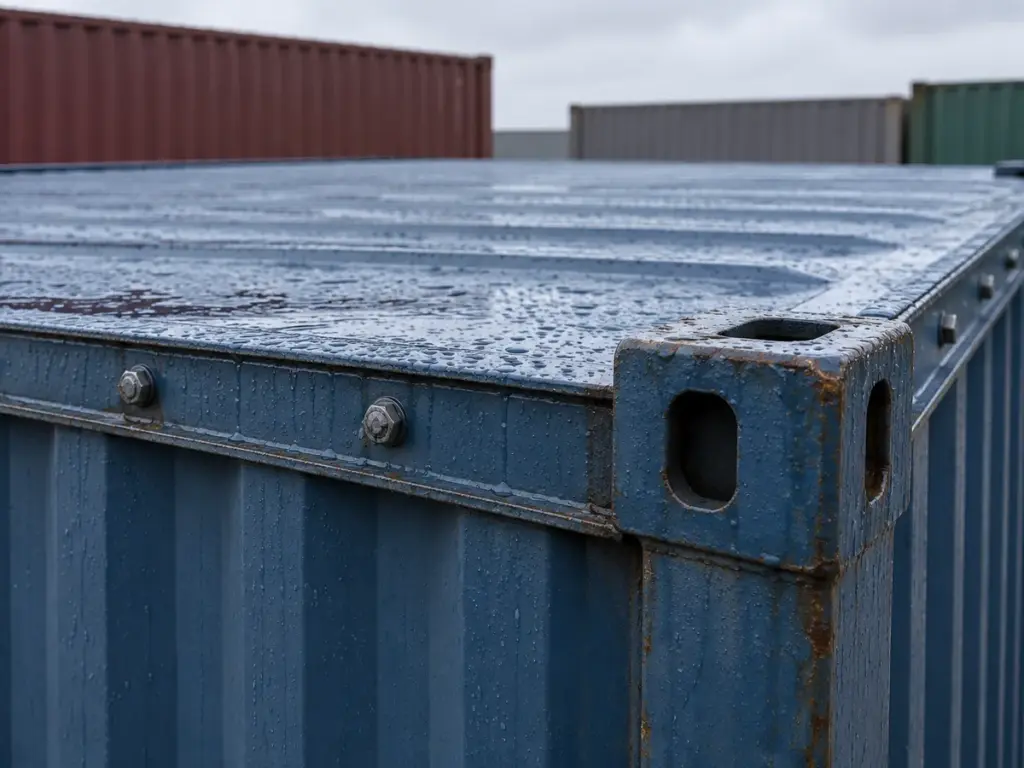
Typical features according to the specialist website TIS-GDV (in English, accessed on 09.11.2026), which vary from container to container:
- Walls and floor: Walls usually made of corrugated steel, floor made of wood.
- Roof: According to TIS-GDV, it typically weighs around 450 kg and, on some designs, has forklift pockets for lifting it off.
- Door header: It can be swung out; with the roof open, this makes loading and unloading from above or through the doors by crane or overhead trolley much easier.
- Over-height cargo: The removed roof can be fastened to the inside of a side wall, where, according to TIS-GDV, it typically takes up only around 13 cm.
- Lashing rings: The rings for securing the cargo are located in the top and bottom side rails, in the corner posts and in the middle of the side walls.
What cargo and uses is it suitable for?
The Hard Top container is intended for cargo that is loaded from above, for both transport and storage. According to TIS-GDV, heavy and tall cargo is typical. That is why it belongs to the category of special containers: designs for tasks that a standard container cannot handle.
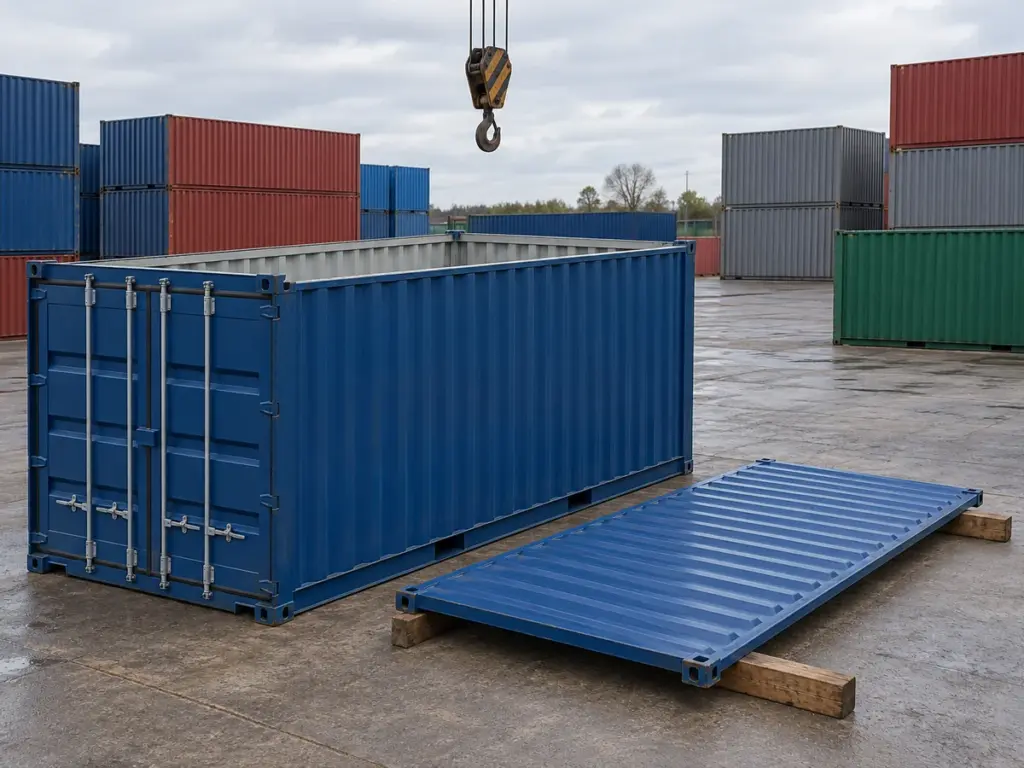
With the roof in place, the cargo is protected, for example on company premises or a construction site. Before transport, plan how the cargo will be secured in the container.
Hard Top or Open Top: what is the difference?
The difference lies in the roof: according to our glossary, the Open Top has a tarpaulin on removable roof bows instead of a steel roof.
| Feature | Hard Top | Open Top |
|---|---|---|
| Roof | removable steel roof | tarpaulin on removable roof bows |
| Loading | from above with the roof removed, or through the doors | from above with the tarpaulin and roof bows removed, or through the doors |
| Protection | securely closed again after loading | tarpaulin more prone to wear and less burglar-proof than a steel roof |
| Over-height cargo | possible, roof open and fastened to the inside of the side wall (according to TIS-GDV) | possible, suitable for over-height cargo according to our 40 ft Open Top product page |
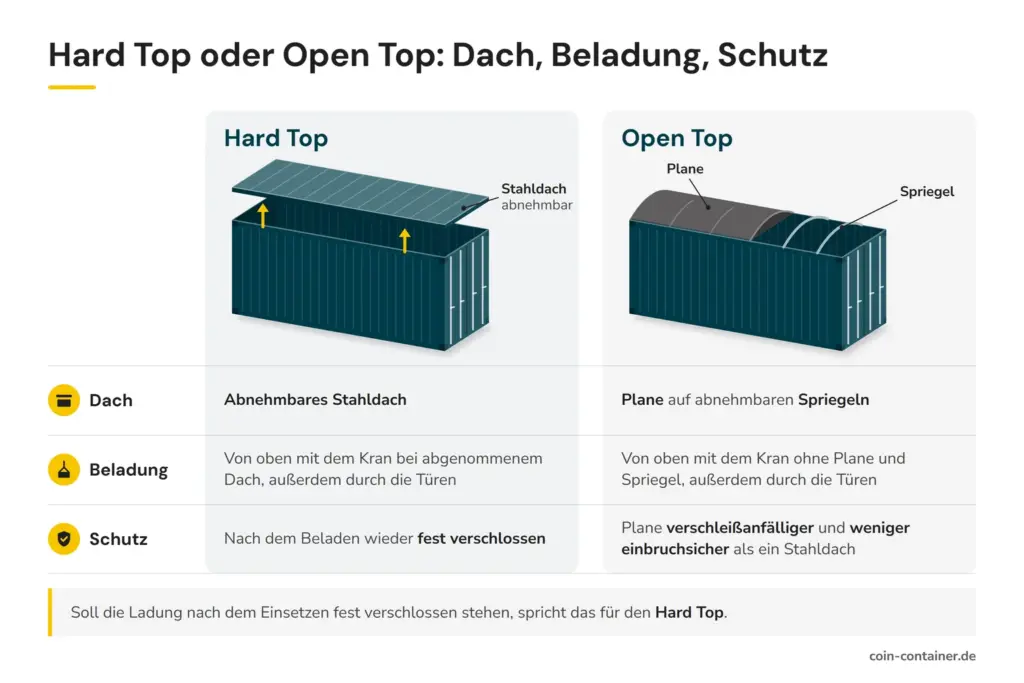
Sources: product pages, Open Top glossary entry and TIS-GDV, as of 09.11.2026.
On the Open Top, too, the top door header can often be swung out. If the cargo is to be securely enclosed once it has been lowered in, this points to the Hard Top. Uses and loading are explained in the guide to the Open Top container.
Buying a used Hard Top container: what should you look for?
Used containers may have scratches, dents or surface rust. You can check these points even as a layperson:
- Roof and roof-to-frame connection: No holes or deep dents; the roof sits evenly on the frame all the way round. Ask how it is fastened.
- Doors: Should open and close with normal effort; rubber seals not cracked or porous.
- Watertightness: If light gets inside with the doors closed and the roof in place, water can get in too.
- Floor: Firm and dry, with no soft spots or dark discoloured patches.
You can find the internal dimensions, roof opening and payload on the pages for the 20 ft Hard Top container, the 40 ft Hard Top container and the 40 ft High Cube Hard Top. For other designs, see the overview page where you can buy a container. Once you know the size and intended use, you can take the next step: Request a quote.
Frequently asked questions about Hard Top containers
What is a Hard Top container?
A shipping container with a removable steel roof. This means it can be loaded from above by crane and is then securely closed again.
How does it differ from an Open Top container?
The Hard Top has a removable steel roof, while the Open Top, depending on the version, has a tarpaulin on roof bows. The tarpaulin is more prone to wear and less burglar-proof.
How is a Hard Top container loaded?
Cargo that fits through the door opening goes in through the doors. Cargo that is too tall or too bulky for the door opening is lowered in from above by crane with the roof removed. The permissible payload is stated on the product page.